Solo and Unstoppable: Why Your Greatest Creative Breakthroughs Might Happen When No One's Watching
Open any creative industry newsletter right now and you'll find the same gospel being preached: collaborate more, co-create constantly, build in community. And sure, there's real value in that. But somewhere along the way, working alone started getting treated like a character flaw — like if you're not in a writing room, a studio session, or a creative Zoom call, you must be falling behind.
Here's the thing nobody's saying out loud: solitude might actually be the most underrated tool in your creative toolkit.
The Noise We've Normalized
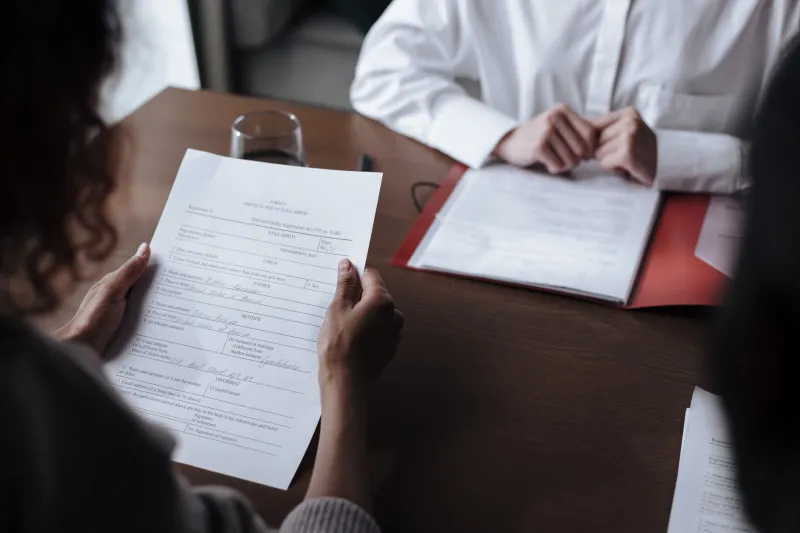
Let's be honest about what constant collaboration actually looks like in practice. It's feedback rounds that slowly sand down your roughest, most interesting edges. It's compromise that feels productive in the moment but leaves your finished piece feeling like it was designed by committee. It's that nagging sense that the final product is technically good but somehow not yours anymore.
When everyone has a voice in your work, whose work is it really?
The modern creative industry — music, film, content, visual art — has built an entire infrastructure around the idea that more perspectives equal better output. And sometimes that's absolutely true. But the obsession with collaboration has a shadow side that doesn't get discussed nearly enough: it can drown out the quieter, stranger, more personal impulses that actually make art worth experiencing.
What Isolation Actually Does to Your Brain
There's real science behind why solo creative time hits different. When you remove the social pressure of an audience — even a trusted one — your brain shifts gears. You stop filtering. You stop performing creativity and start actually doing it.
Psychologists call this kind of deep, uninterrupted focus a flow state, and the research is pretty consistent: it's significantly harder to achieve when you're in a group setting. Other people, even people you love and trust, introduce variables. You're reading the room, consciously or not. You're adjusting. You're softening the weird idea because you can already predict how it'll land.
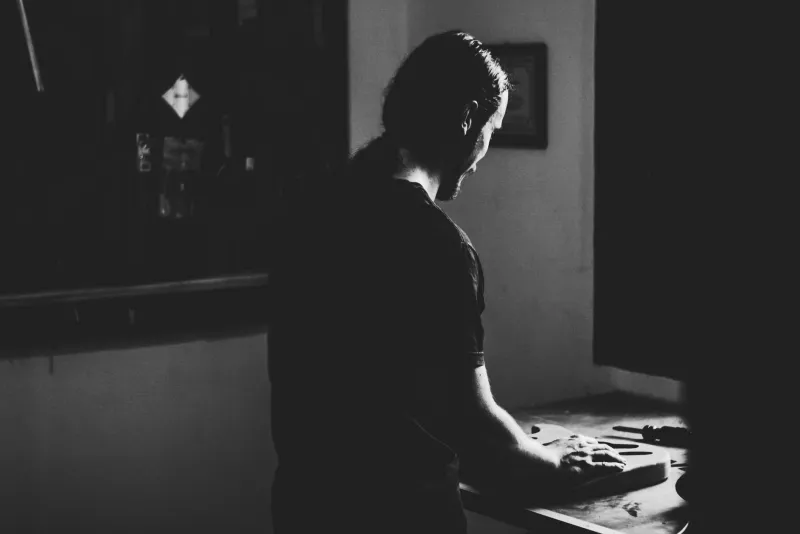
Alone, the weird idea gets to breathe.
Singer-songwriter culture in America has always understood this, even if it doesn't always say so explicitly. Think about the albums that defined careers — the ones that felt like someone cracked open their chest and handed you something real. More often than not, those records came from a person sitting alone with an instrument, following a thread that made no logical sense until it suddenly made all the sense in the world.
"I Had to Stop Asking for Permission"
Talk to working artists about their process and the solo work stories start tumbling out pretty quickly once you get past the polished PR answers.
One visual artist based out of Nashville described spending two years in a collaborative studio environment, churning out work that sold well and got good press — and feeling completely hollow about it. "I was making things that other people wanted to see," she said. "And they were fine. They were technically fine. But I didn't feel anything making them."
She took a month off from external projects and started working alone in her apartment, no deadlines, no client feedback, no collaborators. The work she made during that month became the foundation of the series that eventually landed her a gallery show she'd been chasing for years.
"I had to stop asking for permission to make the thing I actually wanted to make," she said. "And you can't do that with other people in the room."
That story isn't unique. It's practically a genre.
The Collaboration Trap Nobody Talks About
Here's where it gets a little uncomfortable: sometimes we lean on collaboration because it's safer. If the work doesn't land, there's shared responsibility. If the creative choices feel risky, having a co-creator means you're not standing alone in defense of them.
Solitude forces accountability in a way that group work simply doesn't. When you're alone, every choice is yours. Every weird instinct you follow, every convention you decide to break — that's on you. And that's terrifying. But it's also clarifying in a way that nothing else really matches.
The artists who build the most distinctive, recognizable bodies of work aren't necessarily the ones who collaborated the most. They're often the ones who developed a private creative language first — a voice so specific and so practiced in isolation that when they did bring collaborators in, they knew exactly what they were protecting.
Building Your Solo Practice
If you've been caught in the constant-collaboration current and you're feeling creatively restless, here are a few things worth trying:
Protect time that belongs to no one else. Even an hour a week of genuinely private creative time — no feedback, no sharing, no posting — can start to reconnect you with impulses you've been overriding.
Make things you never intend to show anyone. This sounds counterintuitive in an era built on sharing, but the creative freedom of making something for zero audience is genuinely different. You'll surprise yourself.
Notice what you stop doing when no one's watching. Do you stop second-guessing? Stop smoothing things out? That's data. That's your actual creative instinct trying to get a word in.
Treat your solo work like a collaborator you owe respect to. Don't let it be the thing that gets the leftover hours after every external commitment is handled. Give it prime time occasionally. See what it does with it.
The Comeback of the Lone Voice
There's a reason audiences connect so deeply with work that feels unmistakably personal. In a media landscape flooded with content optimized for engagement, algorithm performance, and broad appeal, a single authentic voice stands out in a way that polished group efforts often can't quite match.
Authenticity — real authenticity, not the performed kind — tends to live in the work people make when they're not trying to please anyone. That's not a knock on collaboration. Great partnerships produce incredible things. But the foundation of a creative identity usually gets built in private, in the hours when no one's watching and the only standard you're working toward is your own.
So if your creative calendar is stacked with joint projects and your solo work keeps getting pushed to the back burner, maybe it's worth asking: when's the last time you made something that was entirely, uncomplicatedly yours?
Because that version of your work? It might be the one people are still talking about ten years from now.