Someone Built a Fake You: A Working Performer's Guide to AI Replicas
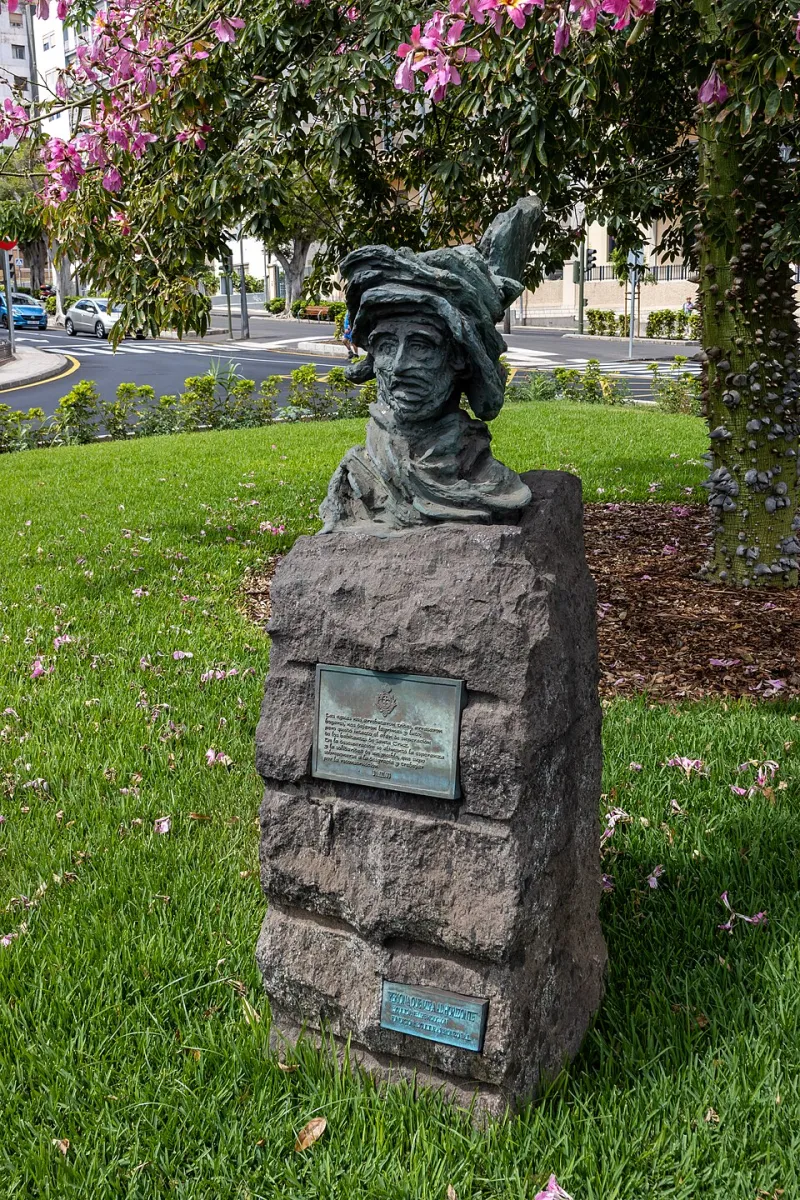
Photo: Photograph by Mike Peel (www.mikepeel.net)., CC BY-SA 4.0, via Wikimedia Commons
The first time you see a convincing fake of yourself, the feeling isn't quite anger. It's vertigo. The mouth moves the way your mouth moves. The cadence is yours. And some part of your brain can't immediately explain why it's wrong.
In 2026, the barrier to building that thing is roughly the cost of a decent dinner and a laptop with a good graphics card. That's the reality we work in now — not as a threat to panic over, but as a condition to plan around.
This stopped being hypothetical a while ago
AI replicas used to mean a blurry face-swap clip with a tell. Now they show up in fan edits, in ads for products you've never touched, in scam DMs to your followers, and occasionally in a legitimate pitch deck from a company that genuinely thinks they're being flattering. The technology improved faster than the etiquette, and the etiquette improved faster than the law.
What actually counts as a digital replica
More than your face. Think voice, vocal timbre, movement patterns, signature gestures, phrasing, performance style, and the general vibe that makes a fan recognize you in three seconds. Contracts increasingly use terms like digital replica, synthetic likeness, AI-generated depiction, and digital twin. When you see any of those, slow down. The definition paragraph is the whole ballgame, because a broad definition signed once can authorize things you'd never agree to out loud.
The legal map is a patchwork, and you should know your state
The US doesn't have one clean federal rule here. Right of publicity lives at the state level, which means protection depends on where you live, where the infringer is, and where the harm lands. California tightened its rules in 2024 with statutes covering digital replicas in performer contracts and post-mortem replicas. Tennessee's ELVIS Act extended voice protections. New York added digital replica provisions of its own. A federal right-of-publicity bill known as the NO FAKES Act has been circulating in Congress; whether it becomes law is a separate question from whether it's a good idea.
On the union side, the 2023 SAG-AFTRA negotiations produced real consent and compensation language for digital replicas in covered work. If you're union, that framework is your friend. If you're not, you need to write your own version of it.
The contract language that decides everything
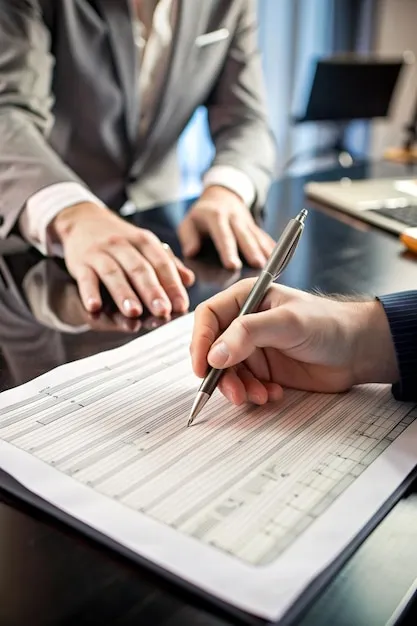
When a company asks for rights connected to AI, the useful questions are short. What exactly are they licensing — a scan, a voice model, a training set, a generative likeness? What are the permitted uses, and is each new use separately approved? How long does it last, and can you terminate? Can they sublicense it to a third party? Is the asset deleted or returned at the end? Who secures it, and what happens if it leaks?
Say no to blanket AI training rights bundled into an unrelated deal. Say no to perpetual, worldwide, sublicensable rights over your voice. Say yes, if you want, to a narrowly scoped, time-limited, well-paid license with a named use and a written deletion obligation. Get an audit right if you can. And make sure there's a notice-and-cure provision so a breach isn't something you find out about from a fan's screenshot.
Your takedown playbook, in order
Document first. Screenshot with timestamps and URLs, save the page source if you can, record the account name, and note where it was amplified. Then work the ladder: the platform's impersonation or synthetic media reporting tool, a right-of-publicity demand letter, a DMCA notice only where actual copyrighted material was used, and finally your state attorney general's consumer protection division if it's clearly a scam riding on your name. A lawyer's letterhead moves faster than your own email, and it usually doesn't take as much of one as people fear.
Speed matters more than perfection. A fake ad running for three weeks does more damage than a slightly imperfect takedown filed on day one.
Proving the real you
This is the part almost nobody does until it's a problem. Keep a verified presence on the platforms that offer it. Maintain a single official channels page on your own site listing every real account. Use content credentials and watermarking where your tools support them, especially for anything you post that's likely to get scraped. Post source files and process footage occasionally — not as a gimmick, but as a paper trail. Consistency, over time, is the cheapest authenticity signal you have.
Fan AI content needs a stated policy, not a vibe
Some of it is love. Some of it is theft with a nice caption. Decide where your line sits and say it out loud: fan art is fine, AI voice covers are not, AI-generated explicit material gets reported every time, AI duets are fine if credited. Publishing that policy does two things — it gives real fans a rule to follow, and it gives you a clean basis for enforcement when someone ignores it.
The question under the question
If a machine can imitate your art, what's actually yours? The honest answer is the part a model can't generate: the choices, the context, the intention, the consent. Authenticity stops being a style and becomes a relationship. People can feel the difference between a performer who showed up and a file that was told to.
That's not a small consolation. It's the entire business, and it's worth protecting with the same seriousness you bring to the work itself.
A starter checklist
Audit every contract for AI and replica language. Register copyrights on the work you own. Write a public AI policy. Set up impersonation alerts and a monitoring habit. Keep a lawyer contact you've actually spoken to before you need one. And if someone offers to build a digital version of you, get the definition paragraph before you get excited.