Free Isn't Always a Scam: A Working Performer's Guide to the Exposure Economy
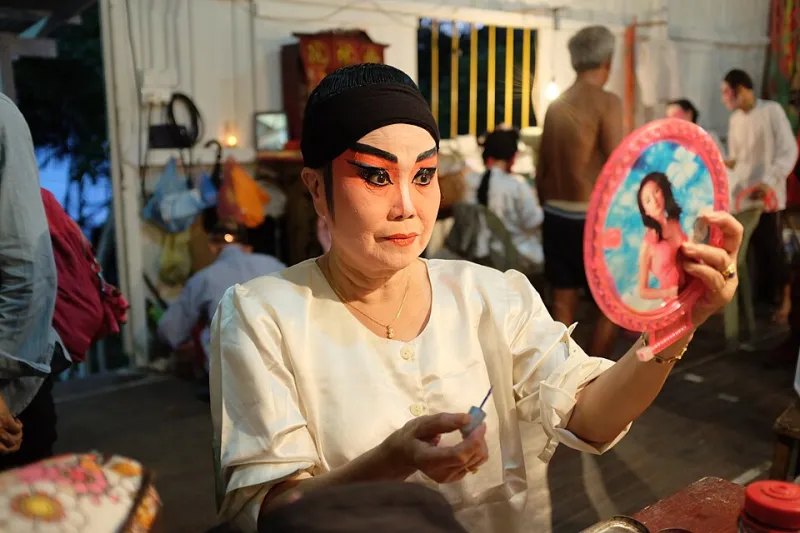
Photo: Jnzl's Photos, CC BY 2.0, via Wikimedia Commons
If you've spent any time trying to build a career in this industry, someone has said it to you. Maybe at a coffee shop in Los Angeles, maybe in a DM, maybe from a stage at some networking event. Five words, delivered like a favor:
'It's great exposure.'
Sometimes they're right. Sometimes the unpaid gig genuinely is the stepping stone — the thing that gets you seen by the person who changes your life. And sometimes it's a politely worded scam, someone getting professional-quality work for nothing while you cover your own parking.
The hard part? They look identical from the outside. Here's how I've learned to tell them apart.
The Unpaid Gigs That Were Actually Worth It
1. The showcase with a real room. Performing free at a respected festival, industry showcase, or well-attended industry night can be legit — IF the right people are actually in the audience. A booked-out room with bookers, casting folks, or label people in it is an investment. A Tuesday open mic with four people and a broken microphone is just a Tuesday.
2. The favor for someone one rung above you. Doing free work for a slightly-more-established peer — shooting their content, opening their show, jumping on their project — builds the relationships that become your next three paid gigs. Reciprocity up close works. Reciprocity promised by strangers with 'exposure' in their bio does not.
3. The portfolio piece you'd pay to make anyway. Early on, you need proof you can do the thing. If an unpaid project gives you a genuinely usable clip, credit, or portfolio piece — something you'd be proud to send to anyone — the math can work. You're not working for free. You're paying tuition and getting a product out of it.
4. The passion project with a finished product. Indie films, collab tracks, short films that actually get made. The key word is finished. A completed project that hits festivals or gets distributed has a life. A 'project' that's been in pre-production for two years has a group chat.
5. The charity or cause you actually care about. Not exposure — meaning. These are worth it for reasons that have nothing to do with your career, and pretending otherwise cheapens them. Do them because you want to. Full stop.
The Ones That Weren't
1. The 'opportunity' that pays in tags. If someone's ask is a full professional deliverable and their offer is a social media mention, you're not being discovered. You're being used. Brands and producers with real budgets found out long ago that creators will accept hashtags as currency. Don't be the creator they found.
2. The forever-deferred payment. 'Paid on the back end' when there's no distribution deal, no budget, and no paperwork is not payment. It's a lottery ticket someone else gets to hold. Deferral only makes sense when there's a real, verifiable thing deferring.
3. The gig that only benefits the person asking. Ask yourself one question: who profits if this goes well? If the answer is exclusively the person who approached you — their brand, their event, their content — and your name appears nowhere in the upside, walk away. Real opportunity has two winners.
Five Questions to Ask Before You Say Yes
-
Who exactly will be in the room, and can they name them? Vague answers about 'industry people' are a red flag.
-
What's the deliverable, and what's the deadline? Professional operations are specific. Scammers are breezy.
-
Will I own or share rights to what I create? Get this in writing, even if it's an email. Especially if it's an email.
-
Has this person actually finished things before? Look them up. A track record of completed, released work changes everything.
-
What's my specific goal for this gig? 'Exposure' is not a goal. 'Meeting the booker at this venue' is. 'A scene for my reel' is. If you can't name what you're buying with your free labor, you're not buying anything.
The Bottom Line
Working for free isn't inherently a mistake — every single working entertainer I know did some of it. The mistake is doing it passively, without knowing what you're trading.
Your time, your skill, and your energy are the raw materials of your entire career. Spend them deliberately. Sometimes the free gig is the best money you never made. Sometimes it's just free.