Train Like It's the Offseason: What Athletes Know About the Gaps Between Gigs
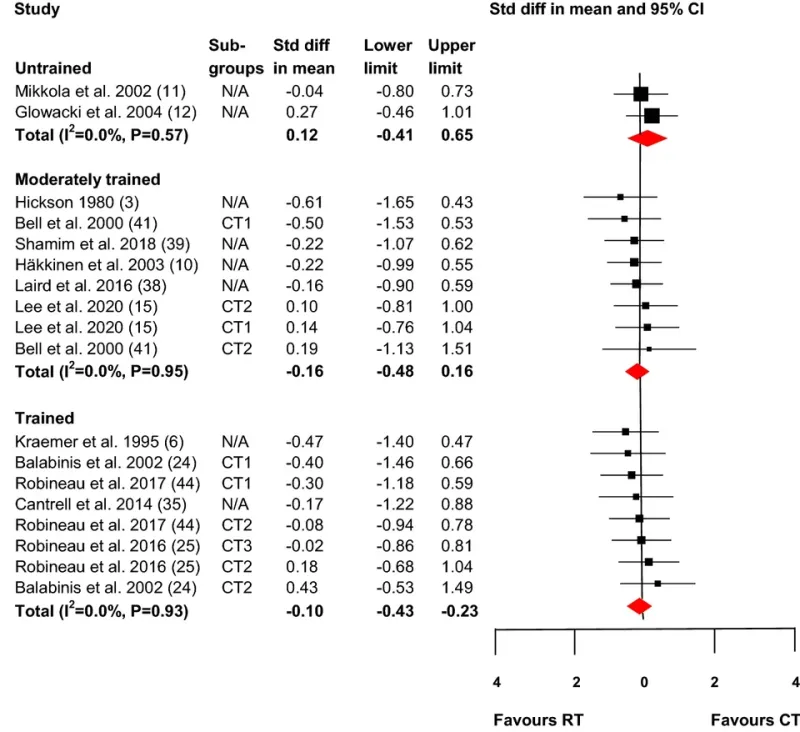
Photo: Authors of the study: Henrik Petré, Erik Hemmingsson, Hans Rosdahl & Niklas Psilander, CC BY 4.0, via Wikimedia Commons
Here's something that took me way too long to understand: a professional athlete's season is only a fraction of their year. An NBA player competes from October to June at most. NFL players play seventeen games. The rest of the calendar? That's the offseason — and ask any coach and they'll tell you the offseason is where championships are actually decided.
Now compare that to how most entertainers treat the space between gigs. A project wraps, nothing new is booked, and suddenly the weeks stretch into months of what feels like nothing. No performances. No deadlines. No audience. Just a weird, anxious limbo that most of us fill with doom-scrolling and self-recrimination.
We're doing it wrong. And athletes figured it out decades ago.
Rest Is a Training Phase, Not the Absence of One
The first thing every serious sports program builds in is structured recovery. Not laziness — structured recovery. Sleep protocols, physical therapy, planned weeks off. Because the science is settled: adaptation happens during rest, not during exertion. You don't get stronger while lifting. You get stronger while recovering from lifting.
Performers ignore this completely. We treat a gap between projects like a personal failure to be punished with frantic hustle, or we crash into burnout and call it a vacation.
Try this instead: when a big project ends, actually schedule the recovery. Two weeks of genuinely nothing. Sleep, walks, seeing people you love. Then — and this is the key — the rest ends. It has a finish line. Athletes don't rest indefinitely; they rest deliberately, because the next block of work is already on the calendar.
Build the Skill Nobody's Watching You Do
The second pillar of the offseason is skill development away from competition. A quarterback in February isn't running plays in front of 70,000 people. He's in a facility drilling footwork, studying film, rebuilding mechanics. Low stakes. High reps. Zero audience.
When's the last time you did that? Most performers only practice in public. Every class, every post, every open mic is a performance — a scored event. We've lost the art of training in the dark.
The offseason between gigs is the perfect window for this. Take the acting class you've been skipping. Book studio time to experiment with a sound nobody's asked you for. Work with a coach on the specific weakness you've been hiding. None of it needs an audience. In fact, it's better without one — because the moment people are watching, you start protecting your image instead of expanding your range.
Condition for the Season You Want, Not the One You Have
Here's where the athlete analogy gets uncomfortable. Pros train for next season even when this season hasn't been announced. They don't wait for the contract to show up before getting in shape — because by the time the opportunity appears, it's too late to prepare for it.
Entertainers do the opposite. We wait for the booking to train. The audition comes, we scramble. The gig ends, we coast. Then we wonder why we're never quite ready for the thing we say we want.
Flip it. Decide what your 'next season' looks like — the tour, the role, the level you're aiming at — and train for it now, in the dark, on spec. If you want to headline, start building a headline-length set. If you want dramatic roles, start doing the scene work now. The gap between gigs isn't dead time. It's the only time you have full control over.
The Long Game: Careers Are Marathons, and Marathons Are Won in Training Blocks
The deepest lesson from sports is the concept of periodization — the idea that a year is structured in phases. Build base fitness. Add intensity. Peak for competition. Recover. Repeat. No athlete tries to be at peak condition 365 days a year, because that's the fastest road to injury.
Your career works the same way. You cannot be 'on' constantly. The performers who last thirty years aren't the ones who never slowed down — they're the ones who learned to cycle: push hard during the season, rebuild during the offseason, and treat both as legitimate, productive phases of the same job.
So the next time the phone goes quiet and the calendar goes blank, resist the panic. You're not between jobs. You're in your offseason.
And the athletes would tell you: this is the part everyone skips. This is the part that wins.