Nobody Reads Your Bio: Building an EPK That Sounds Like a Person
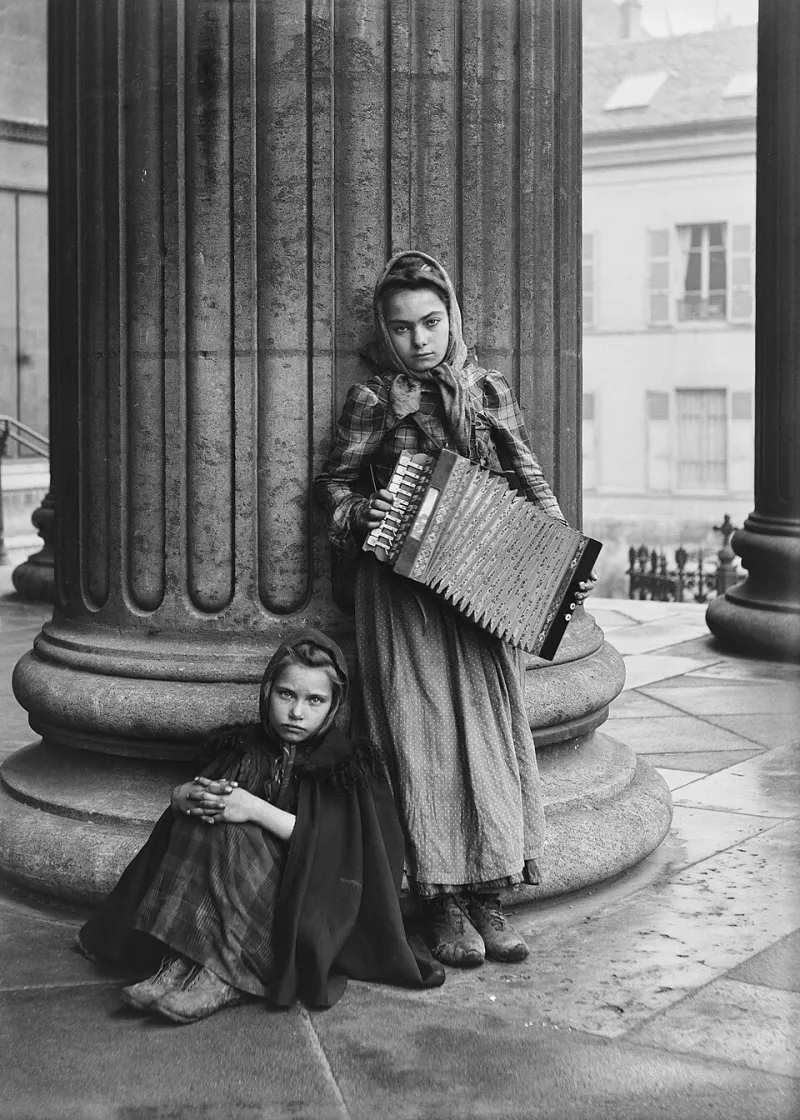
Photo: Photographer: unknown, Licence Ouverte, via Wikimedia Commons
Somewhere in a folder on your laptop there's a PDF with your name on it. It has a photo of you looking slightly to the left, a bio that starts with the word "dynamic," and a list of credits that ends in 2023. A booker opened it once, skimmed for eleven seconds, and moved on.
That's not because you aren't good. It's because most electronic press kits are written like resumes for a job nobody wants, and the people reading them are drowning.
The Format Didn't Die. The Voice Did.
Let's be fair to the EPK: the idea still holds up. A booker, a festival programmer, a journalist on deadline — they all need one place to find out who you are, what you sound like, and whether you're worth a slot. Reasonable ask.
What died is the copy-paste culture around it. Everyone bought the same template, filled in the same blanks, and now a thousand kits read like they were written by a committee that has never been to a show. "Genre-defying." "Boundary-pushing." "A unique blend of." Those aren't descriptions. They're placeholders where a description should be.
The fix isn't a new template. It's deciding, on purpose, what you actually sound like in plain English — and then writing that down.
What Bookers Actually Open
Programmers and talent buyers aren't reading your kit for pleasure. They're in a browser with nine tabs open, trying to figure out if you fit between two other acts and whether you'll move tickets. Give them what they need fast.
A one-sheet. One page, top-line info: name, genre described in real words, city, a photo, three links, contact. This is the thing that gets forwarded.
A short bio. Sixty to a hundred words. Not your life story.
A long bio. Three hundred words, for the people who want it.
Two or three high-resolution photos, horizontal and vertical, credited. Yes, credited. Photographers talk to each other.
A link to live footage. Not a lyric video. Footage of you on a stage with people watching. If it's phone-shot and the crowd is visible, that's often better than a polished studio clip, because it answers the question they actually have.
Three or four tracks, clearly labeled, streaming rather than downloading.
Technical info. Your setup, your travel radius, whether you have representation.
That's it. If your kit has more than that, something in it is decoration.
Write a Bio With a Pulse
The standard formula goes: born somewhere, started playing at age whatever, released a thing, "has been described as," press quote, press quote, press quote. It's a Wikipedia entry with worse sourcing.
Try this instead. First sentence: what you do and where you do it, in language a person would actually use out loud. Second sentence: the thing that makes you different, stated as a fact rather than a boast. Third: something concrete — a venue, a number, a tour, a collaboration — that proves the second sentence. Then one short line on where you're headed.
Read it out loud. If you wouldn't say it to a friend at a bar, nobody at a festival is going to believe it in print.
And about those press quotes: one real, specific quote from a real outlet beats five blurbs from sites nobody's heard of. If you don't have one yet, leave the space empty. A blank is honest. A pull quote that smells manufactured is not.
The Assets People Forget
Two things get left out of almost every kit I've seen.
The first is a plain-text bio. Not a PDF. Not a link. A block of text a journalist can copy without hunting for it. Make it the most boring, easiest thing to find on the page.
The second is a note about what you're actually available for. Are you booking spring? Looking for support slots in the Midwest? Open to private events? Bookers can't offer you something they don't know you want, and a surprising number of opportunities die quietly in that gap.
Keeping It Current Without the Treadmill
Here's the trap. People treat the EPK like a social feed — something that has to be updated constantly or it looks abandoned. Then they burn out and let it rot for two years, which is worse than either option.
The trick is separating the moving parts from the fixed ones. Your bio and photos are fixed. Update them twice a year, or when something genuinely changes. Your availability, upcoming dates, and latest release are moving. Those live in a single updatable section that takes five minutes to change.
Put a date in the footer of the PDF — "updated March 2026" — so it signals you're alive and tells you when you're overdue.
The Two-Minute Test
Send your kit to someone who doesn't know your work and give them two minutes. Then ask three questions. What do I do? What does it sound like? Why would someone book me?
If they can't answer all three, you don't have an EPK. You have a brochure.
The point of this whole thing was never to look professional. It's to sound like a human being who makes something worth showing up for. That's a much lower bar and a much higher standard, all at once.