Curated and Proud: Why the Best Version of You Is Still You
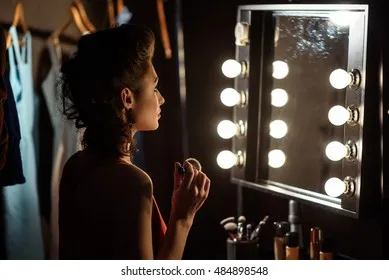
Photo: confident female performer backstage mirror reflection spotlight, via www.shutterstock.com
Open any conversation about building a fanbase right now and you'll hear the same buzzword bouncing around: authenticity. Be real. Be raw. Let people see the mess. The logic sounds solid — audiences are smarter than ever, they can smell a phony from a mile away, and vulnerability creates connection. All true.
But here's where it gets complicated: some of the most "authentic" entertainers you follow are also some of the most strategic people in the room. And the ones who overshared everything, held nothing back, and performed their trauma in real time? A lot of them burned out, lost their audience, or just... disappeared.
So what's actually going on here?
The Authenticity Trap Is Real — But Not for the Reason You Think
The trap isn't that authenticity is bad advice. The trap is in how we define it. Most people hear "be authentic" and interpret it as reveal more. Post the crying selfie. Share the backstory you've never told anyone. Let the audience into every corner of your life and they'll love you for it.
But if you look closely at entertainers who've built genuinely loyal fanbases — people who stick around for years, who evangelize on your behalf, who feel like they know you — what you'll find isn't maximum exposure. What you'll find is selective truth.
They share things that are real. They just don't share everything.
There's a version of Dolly Parton that the public has known for decades — warm, self-deprecating, funny, country to her core. Is that the whole Dolly? Almost certainly not. But is it a fake Dolly? Absolutely not. She made choices about which parts of herself to amplify, which stories to tell, and which rooms to keep private. The result is one of the most beloved public figures in American history.
That's not inauthenticity. That's artistry.
Your Public Self Is a Character — And That's Okay
Here's a reframe that might feel uncomfortable at first: the version of you that your audience sees is a character. Not a fake one, not a lie — but a character nonetheless. A distilled, deliberate version of yourself that you've chosen to present.
Every entertainer does this, whether they admit it or not. The question isn't whether you have a public persona — you do. The question is whether you're building it intentionally or just letting it happen by default.
When you decide what to post, what stories to tell in interviews, what energy you bring to your content — you're writing that character. The most magnetic performers understand this. They know which truths about themselves create resonance and which ones would just create noise.
This isn't manipulation. It's editing. And editing is half of what makes art art.
The Vulnerability Calculus Nobody Talks About
There's a real difference between vulnerability that builds connection and vulnerability that just... dumps on people. The first kind invites your audience into something true and gives them something to hold onto. The second kind makes them feel like emotional support workers who didn't sign up for the job.
When you share something real — a fear, a failure, a moment of doubt — the question worth asking is: why am I sharing this, and what does it give the person receiving it?
If the answer is that it gives them permission to feel something they've been hiding, or helps them see themselves in you, or just makes them laugh because life is absurd and you're both living it — that's the good stuff. That's authentic connection.
If the answer is that you need an emotional release and your audience is the nearest available outlet? That's where it gets messy. Not wrong, necessarily, but worth examining.
Building a Persona That Doesn't Exhaust You
One of the underrated benefits of being intentional about your public self is sustainability. When you know which parts of yourself you're sharing and why, you're not constantly bleeding out. You can show up consistently because you're not giving away pieces of yourself you can't afford to lose.
Think about the entertainers you admire who've had long careers. Most of them have a public persona that's clearly them — recognizable, consistent, genuine — but they also clearly have an interior life that nobody gets to touch. That boundary isn't dishonesty. It's self-preservation.
You're allowed to have things that are just yours. In fact, keeping some things private might make the things you do share hit harder. Scarcity creates value. Mystery creates intrigue. A little closed door makes people more curious about what's behind the open ones.
So What Does Authentic Actually Mean?
Here's where I land on it: authenticity isn't about volume of disclosure. It's about alignment between what you share and who you actually are.
You can share one corner of your life with complete honesty and that will resonate more than someone who shares everything with half-hearted transparency. The energy of this is real is what people feel — not the quantity of personal information.
Your best character is still you. It's just the you that you've chosen, shaped, and offered up with intention. That takes courage in a different way than raw oversharing does — it requires you to actually know yourself well enough to make the edit.
And that, honestly, is the harder and more interesting work.
So go ahead — be strategic about your truth. Curate without shame. The audience you build will be smaller than the one you'd get from going viral on a breakdown, but they'll be yours. And they'll stick around long after the algorithm forgets you existed.