Saying Yes to Everyone Else Means Saying No to Yourself
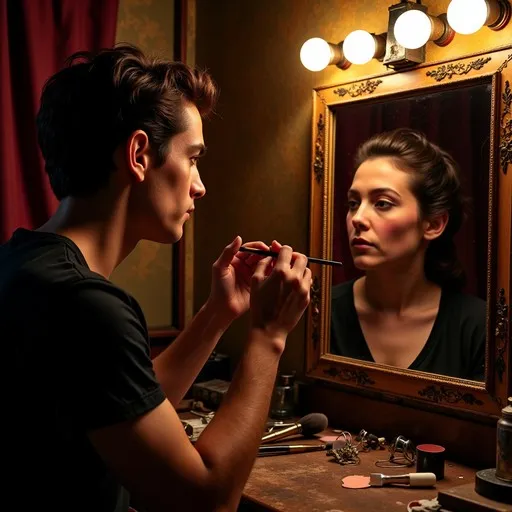
There's a moment a lot of creators hit — usually somewhere between their third and fifth collaboration of the year — where they pull up their own profile and think, who even is this person? The work is fine. The engagement is decent. But somewhere between all the joint projects, the guest appearances, and the creative favors traded back and forth, the thread that used to connect everything got tangled beyond recognition.
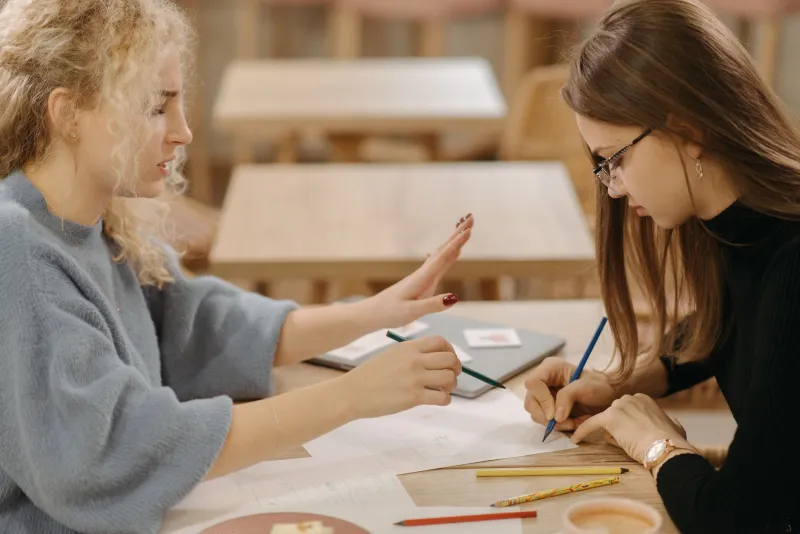
Collaboration is sold to us as almost universally good. Build community, cross-pollinate audiences, grow together. And sure, there's truth in that. But nobody talks about the slow drift that can happen when you're constantly folding yourself into someone else's creative world. You adapt. You compromise. You find the middle ground — and then the middle ground becomes your permanent address.
That's the trap.
The Slow Disappearing Act
Here's what makes this particularly sneaky: it rarely feels like a bad decision in the moment. You say yes to a collaboration because you genuinely like the other creator. You say yes to another because the opportunity seems too good to pass up. You say yes to a third because you don't want to seem difficult, or closed off, or too precious about your own vision.
Each individual yes makes sense. But collectively? You've handed over little pieces of your creative identity to a dozen different projects, and what's left on your own page starts to look like a remix of other people's aesthetics.
This isn't about ego or being territorial. It's about the fact that your voice — the specific, weird, particular way you see the world — is actually the most valuable thing you have. It's what makes someone follow you instead of just the content category you happen to work in. When that voice gets diluted enough times, people stop being able to hear it.
Not All Collabs Are Created Equal
The fix isn't to swear off collaboration forever. That would be its own kind of creative isolation, and honestly, some of the best work comes from genuine creative friction with another person who challenges your thinking.
The real skill is learning to distinguish between two very different kinds of partnerships:
Amplifying collaborations are the ones where working with someone else actually makes your perspective louder. They put you in a context that highlights what's specific about your point of view. You come out of the project more defined, not less. Think about the difference between a musician who features on a track that fits their sound perfectly versus one who gets pulled into a genre that has nothing to do with who they are — just because the other artist is more famous.
Diluting collaborations are the ones where the partnership requires you to sand down your edges to make things work. You spend more energy accommodating than creating. The finished product could have been made by a dozen different people, and your name on it doesn't tell anyone anything meaningful about you.
Before you commit to anything, ask yourself honestly: will this make it clearer who I am, or murkier?
The Audience You're Building Is Watching
Your audience — whether it's 500 people or 500,000 — is actively building a mental model of who you are. Every piece of content you put out is a data point. Every collaboration is a signal. And when those signals are all over the place, people can't hold onto a clear picture of you.
This matters more than most creators want to admit. In a media landscape where attention is genuinely scarce, clarity is a competitive advantage. People follow creators they feel like they know — and you can't know someone who keeps showing up differently every time.
That doesn't mean you can't evolve or experiment. It means your experiments should feel like you experimenting, not like you becoming someone else temporarily because a collab required it.
A Simple Framework for Vetting Creative Partnerships
Before you say yes to your next collaboration, run it through these questions:
1. Can I bring my actual perspective to this? If the project requires you to suppress or significantly alter your point of view to make it work, that's a red flag. A good collaboration should have room for what you genuinely think and feel.
2. Would my existing audience recognize me in this? You don't need to stay in a box, but your audience should be able to watch or read or listen to this collab and still see the version of you they showed up for. If the answer is no, think carefully.
3. Am I doing this for the right reasons? Opportunism isn't always wrong — sometimes the timing is just right and you should take the shot. But if you're saying yes primarily out of social pressure, fear of missing out, or because you don't want to seem uncooperative, that's worth examining.
4. What does the other creator actually bring to the table? The best collaborations are genuinely additive. The other person should bring something — a different audience, a complementary skill, a perspective that genuinely enriches the work. If you're mostly just lending your name and energy to their project, that's not a collaboration. That's free labor.
Protecting Your Voice Isn't Selfish
There's a cultural narrative in creative spaces — especially online — that being too protective of your own identity makes you difficult or arrogant. That saying no to collaborations means you think you're too good for community.
That's nonsense, and it's worth naming it directly.
Being intentional about who you work with and why isn't arrogance. It's professional clarity. The most distinctive voices in any creative field — the ones that actually build lasting careers rather than just momentary visibility — are the ones that stay legible over time. They grow, they evolve, but you can always pick them out of a crowd.
That quality doesn't happen by accident. It happens because those creators made deliberate choices about what to protect, even when the pressure to just say yes was real.
Your voice took years to develop. It's the sum total of everything you've experienced, everything you've made, every weird corner of the internet you fell into at 2am, every creative failure that taught you something. No single collaboration is worth trading that away.
Choose your people carefully. Say yes with intention. And when something asks you to disappear into it — even if it's flattering, even if it looks good on paper — trust yourself enough to say no.
That's not the collaboration trap. That's the way out of it.